Garn Fawr
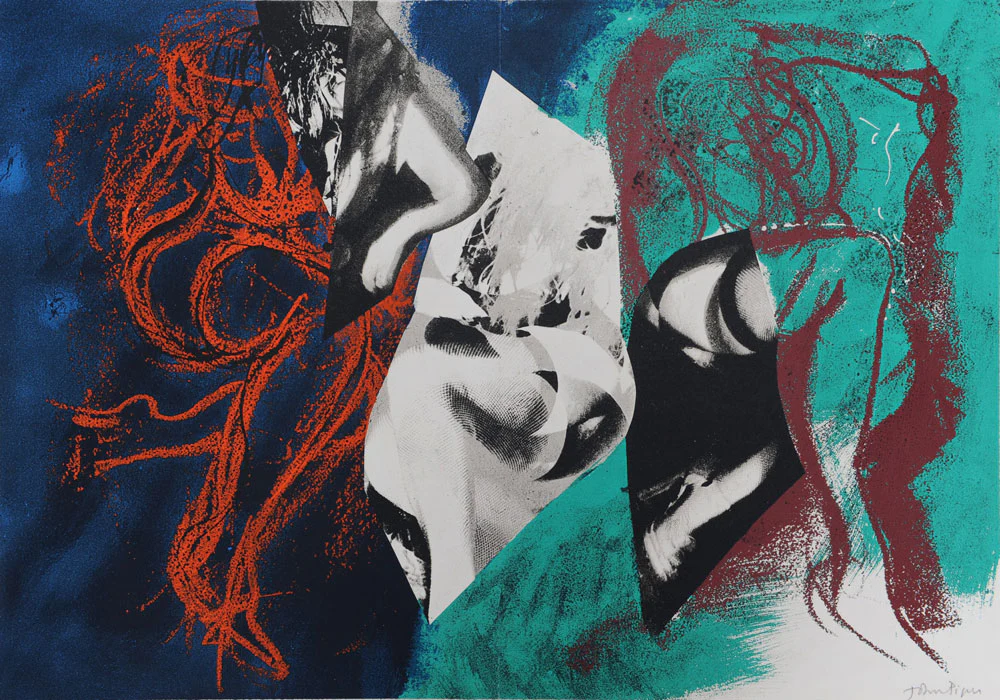
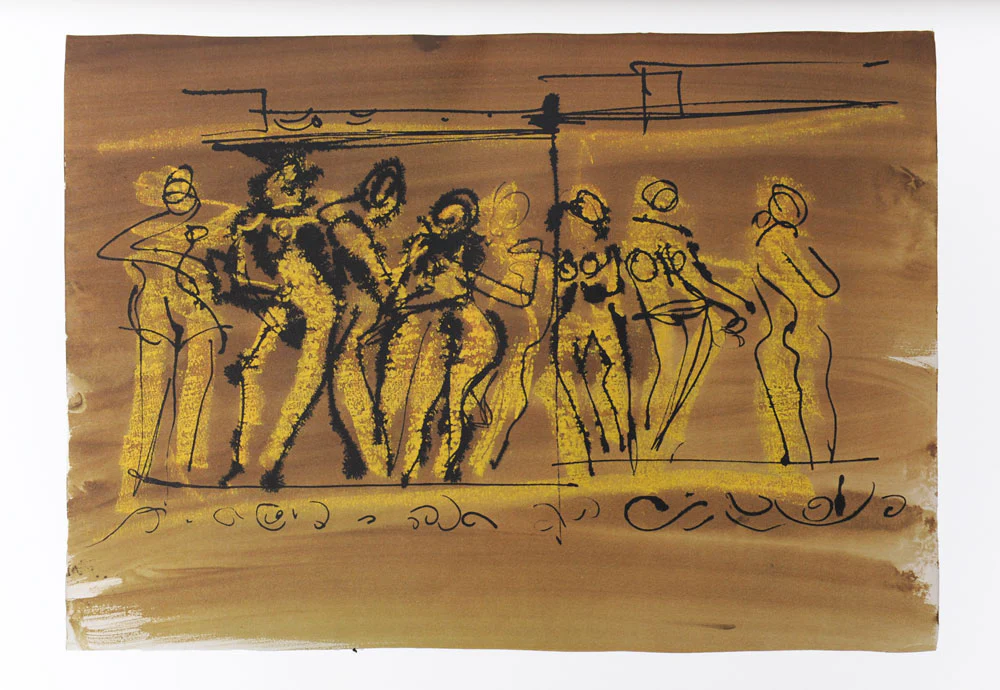
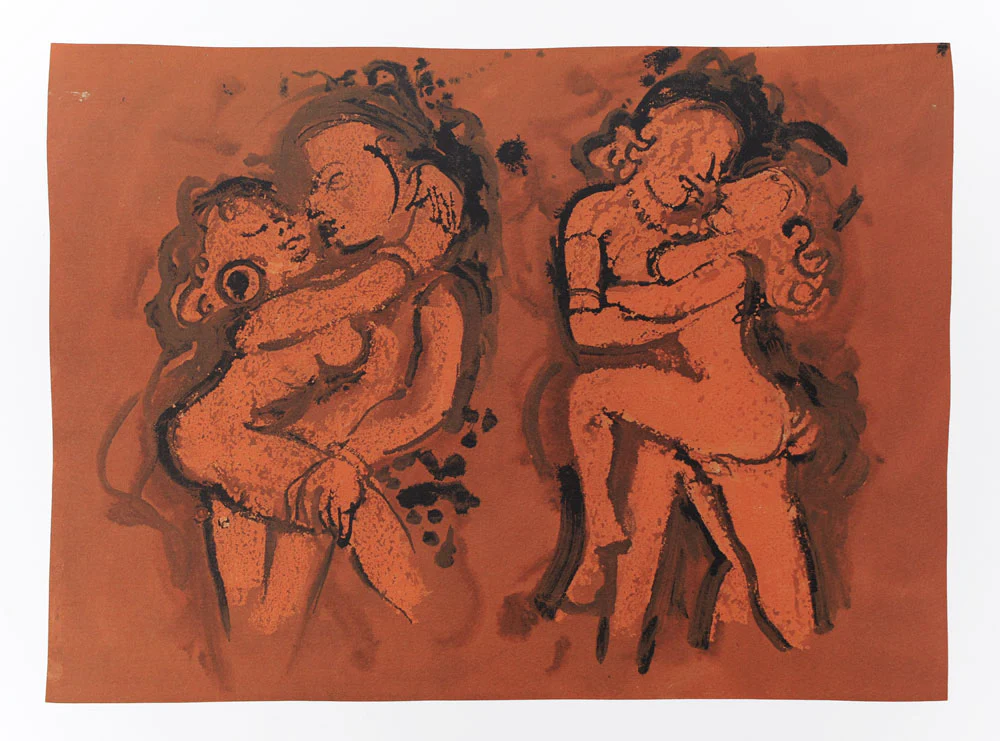
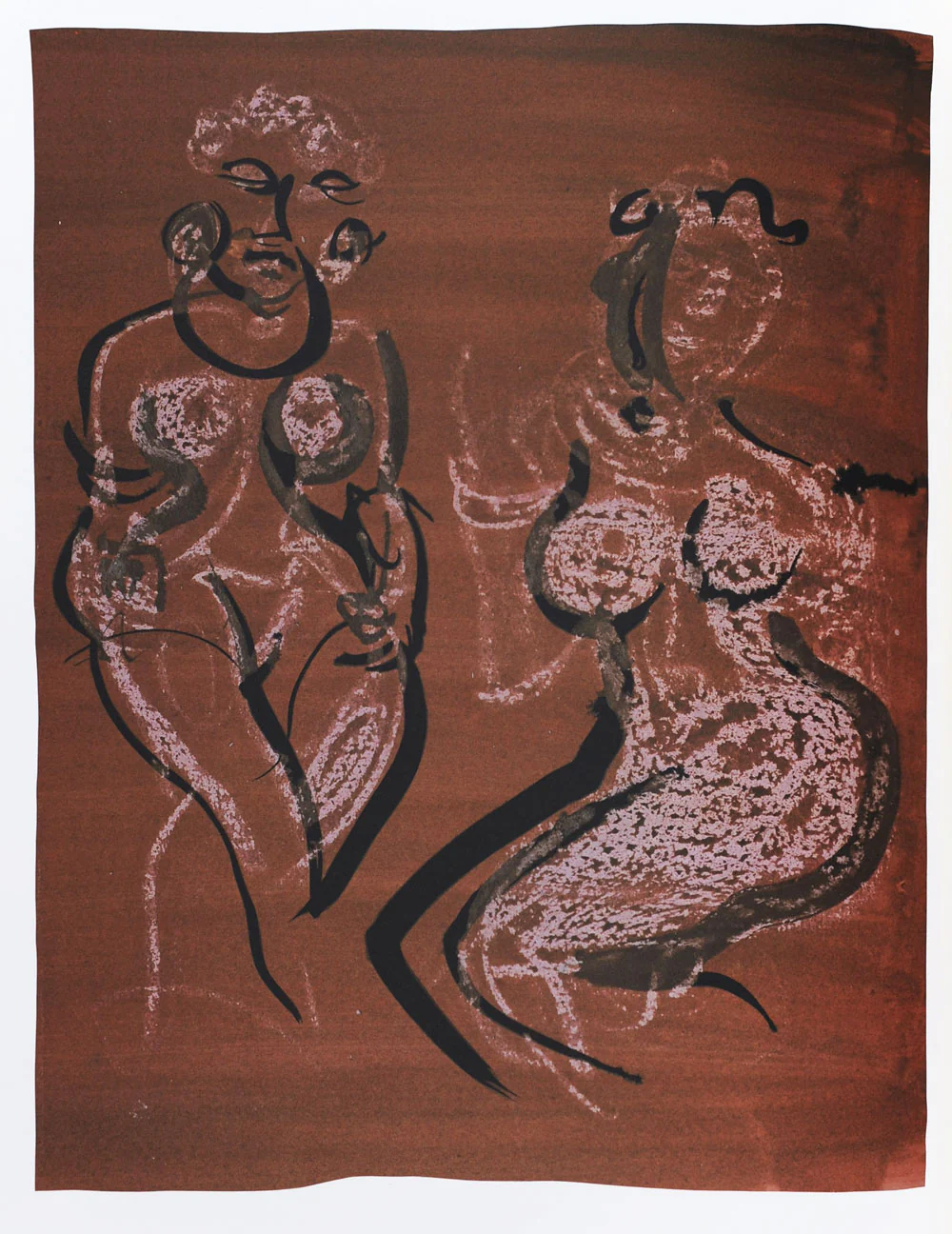
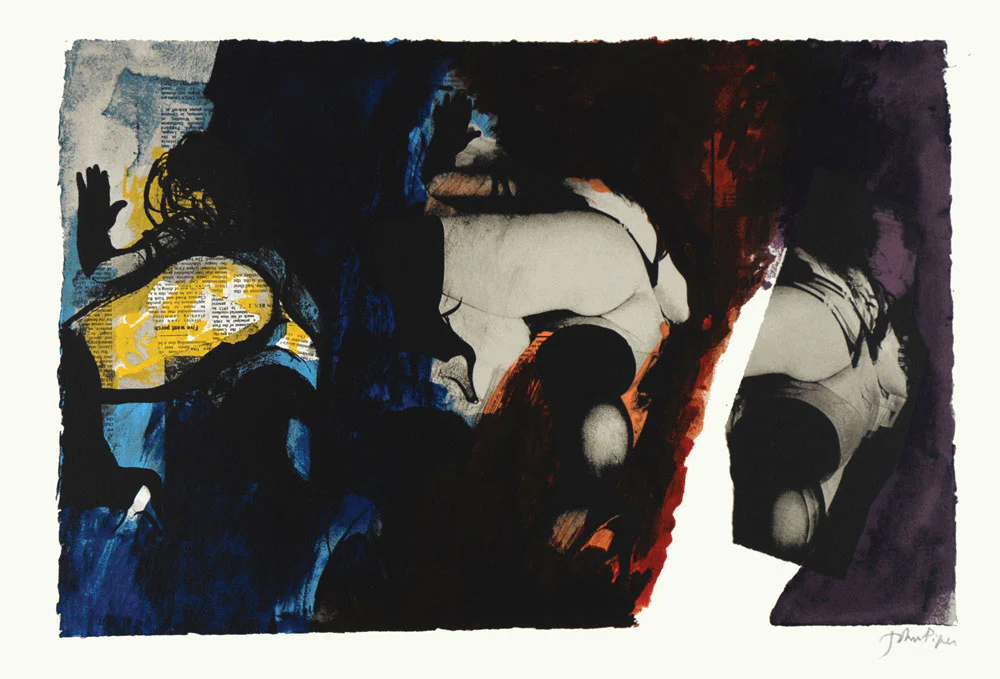
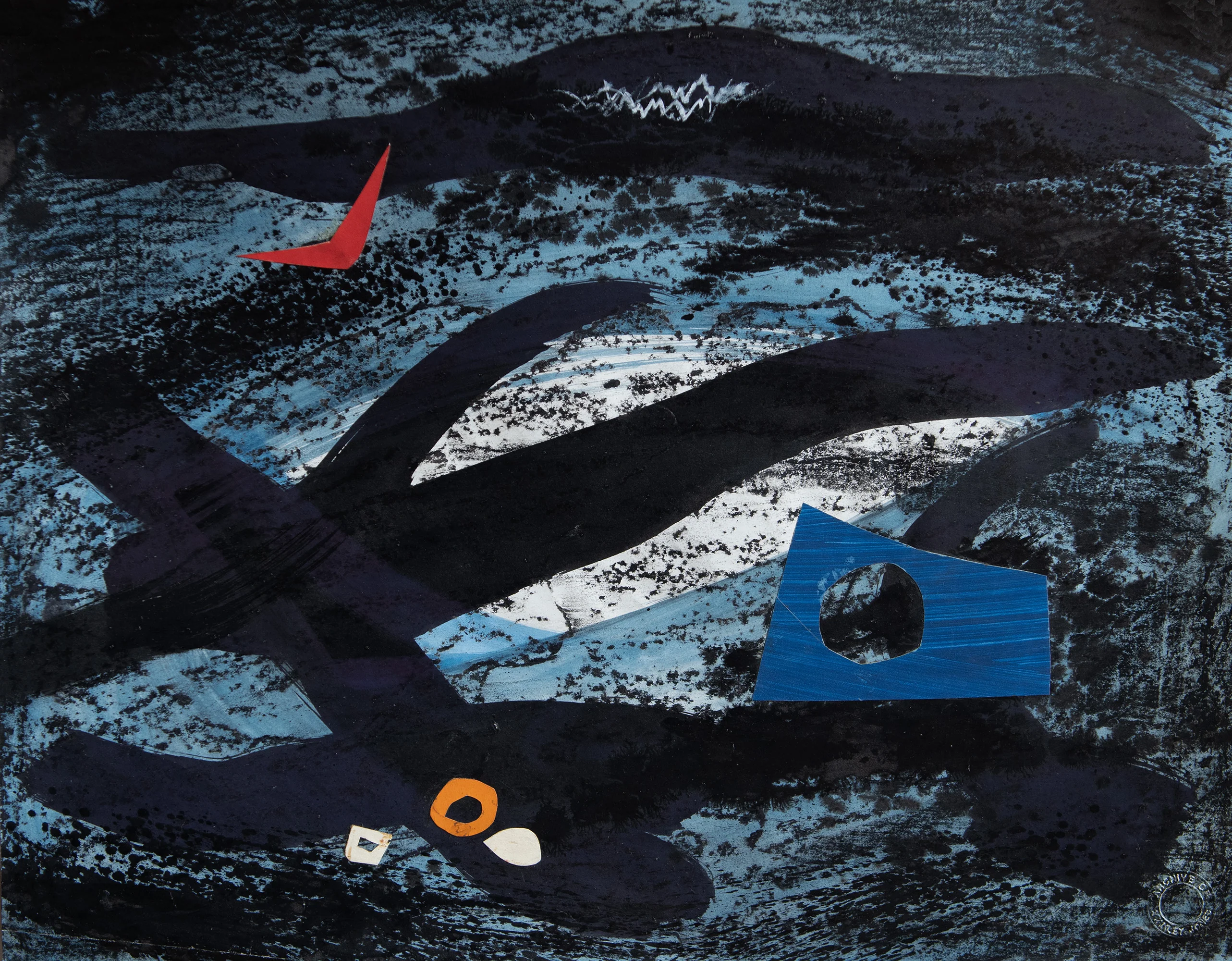
Watercolour with black ink, charcoal and painted collage on paper.
John Piper came to Pembrokeshire for the first time in the 1930s. He first became acquainted with the landscapes of south Wales in 1937 when he married Myfanwy Evans. He made on the spot collages of Pembrokeshire beach scenes, and also became fascinated by Welsh architecture: the chapels, castles and ruins, which were to influence much of his later works. In 1963 he bought two abandoned cottages, with no electricity or phone, at the foot of Garn Fawr, the distinctive rock outcrop topped by an Iron Age fort that dominates Strumble Head. From here, he set out to explore the surrounding countryside, ‘trying to see what hasn’t been seen before’, as Welsh painter Kyffin Williams expressed it.
The titles (of my work) are the names of places, meaning that there was an involvement there, at a special time: an experience affected by the weather, the season and the country, but above all concerned with the exact location and it’s spirit for me. The spread of moss on a wall, A pattern of vineyards or a perspective of hop-poles may be the peg, but it is not hop-poles or vineyards or church towers that these pictures are meant to be about, but the emotion generated by them at one moment in one special place’
– extract from European Topography by John Piper, 1969
Bears the blind stamp from the Archive of Stanley Jones.
Original: $26,392.57
-65%$26,392.57
$9,237.40Product Information
Product Information
Shipping & Returns
Shipping & Returns
Description
Watercolour with black ink, charcoal and painted collage on paper.
John Piper came to Pembrokeshire for the first time in the 1930s. He first became acquainted with the landscapes of south Wales in 1937 when he married Myfanwy Evans. He made on the spot collages of Pembrokeshire beach scenes, and also became fascinated by Welsh architecture: the chapels, castles and ruins, which were to influence much of his later works. In 1963 he bought two abandoned cottages, with no electricity or phone, at the foot of Garn Fawr, the distinctive rock outcrop topped by an Iron Age fort that dominates Strumble Head. From here, he set out to explore the surrounding countryside, ‘trying to see what hasn’t been seen before’, as Welsh painter Kyffin Williams expressed it.
The titles (of my work) are the names of places, meaning that there was an involvement there, at a special time: an experience affected by the weather, the season and the country, but above all concerned with the exact location and it’s spirit for me. The spread of moss on a wall, A pattern of vineyards or a perspective of hop-poles may be the peg, but it is not hop-poles or vineyards or church towers that these pictures are meant to be about, but the emotion generated by them at one moment in one special place’
– extract from European Topography by John Piper, 1969
Bears the blind stamp from the Archive of Stanley Jones.